


A few decades ago, most Chinese consumers had never eaten chocolate. That changed fast. Rising incomes, more overseas travel, and a growing habit of gift giving turned chocolate from a curiosity into a real category, and a profitable one for foreign brands willing to position it correctly.
Olivier Verot is the founder and CEO of Gentlemen Marketing Agency, based in Shanghai since 2012. He has advised food and confectionery brands, including chocolate makers, on how to enter China without losing their premium positioning along the way.
In 2026, China’s chocolate market is worth an estimated USD 6.12 billion, on a path to reach USD 8.03 billion by 2031, growing at roughly 5.58% a year. The average Chinese consumer still eats under 1 kilogram of chocolate a year, against more than 10 kilograms in most of Western Europe. On paper that gap looks like a weakness. In practice, with 1.4 billion people, it is the reason the category keeps attracting new entrants every year.
People travel, taste chocolate abroad, and want the same quality back home. They also give it as a gift, for weddings, for Lunar New Year, for a dozen other occasions we will get into below. That is where the opportunity sits, and it is not the same opportunity it was three years ago. Cocoa costs have doubled. A viral dessert from Dubai reshaped what “premium chocolate” looks like on social media. And the mass market is under real pressure while the top end keeps growing. This guide walks through what changed, what still works, and where brands get it wrong.
China’s Chocolate Market in 2026
Globally, chocolate is a $160 billion-plus industry. China’s slice is still small by comparison, but it is not standing still. The premium segment is growing at close to 7.72% a year, while mass-market chocolate is squeezed on both sides: cheaper domestic candy on one end, rising cocoa costs eating margin on the other. Single-origin chocolate is growing faster still, near 9.15% a year, a segment that barely existed in China when this article was first written.

Chinese consumption habits still differ from Western ones. People eat less chocolate on its own, and more of it folded into other things: milk chocolate cakes, chocolate-chip candies, biscuits, drinks. Cocoa and dark chocolate keep gaining ground too, part of a broader shift toward less sugary snacking. Back in 2022, cocoa bean imports already stood at over 64,000 tons, up 6.6% year over year. That appetite for darker, less sweet chocolate has only grown since.
What’s Actually Changed Since This Article Was First Written
A guide written in 2023 is already out of date on three fronts. Here is what a brand entering China in 2026 needs to know that it didn’t need to know before.
Cocoa costs are still much higher than before, and they are not going back to where they were. Cocoa prices rose more than 125% during 2024, briefly touching near $12,000 a ton before easing. As of early 2026 they sit somewhere in the $5,000 to $6,000 range, still two to three times pre-2023 levels. Mars and Ferrero, which together hold well over half of China’s chocolate market, have both raised prices to cover it. If you are pricing a China launch off 2022 cost assumptions, redo the math first.
A home-made Dubai dessert reset what “premium chocolate” means on Chinese social media. Since mid-2024, “Dubai chocolate” (a bar with a pistachio-and-kadaif filling, originally from a small Emirati chocolatier) has generated over 30,000 posts and more than 100 million views on Xiaohongshu alone. Chinese bakeries and home cooks have replicated it everywhere, from street-side bakeries to five-star hotel patisseries. The lesson isn’t “copy Dubai chocolate.” It’s that Chinese consumers now expect a story and a texture surprise from a premium bar, not just a nice box.
A recent industry survey on candy and chocolate found that over 43% of Chinese consumers say a “reduced sugar, salt, or fat by 30% or more” claim is what pushes them to buy, and nearly a quarter say they now actively prioritize low-sugar snacking. Combine that with the cocoa price story and you get a market where dark, single-origin, lower-sugar bars are gaining share even as overall volume growth slows.

And the luxury end of the market has grown more crowded. Louis Vuitton opened a chocolate boutique in Shanghai, treating chocolate as a lifestyle accessory rather than a food product. Domestic Chinese bean-to-bar makers, brands most foreign companies have never heard of, are winning international chocolate competitions and building a following among the 25 to 40 year old buyers who used to default to imported brands by habit. Foreign heritage alone isn’t the differentiator it was in 2020.
Why High-End Chocolate Can Still Be a Profitable Business in China
Competing head-on with Chinese chocolate manufacturers on price is a losing game. They have local supply chains for milk and sugar, and lower production costs to match. A foreign brand that tries to match their pricing will bleed margin and still lose. The better move is to lean into what a Chinese buyer cannot get from a domestic brand: heritage, craft, and a story that justifies the price.
Chinese consumers still see chocolate as a foreign, slightly exotic product. That perception is an asset, but it is not permanent, and it is not automatic. Every foreign chocolate brand starts with roughly the same borrowed credibility. What you do with your first eighteen months in the market decides whether that credibility turns into a business.
What Luxury and Status Mean in China
In China, buying luxury is rarely a private pleasure. It’s a signal. Owning a premium product, or giving one, says something about the giver’s taste and standing. Brands that have done well here understood early that they were not selling chocolate. They were selling status, a story, and an experience wrapped around a small object.
Chocolate as a Luxury Gift

China’s high-end chocolate demand is driven by an urban middle class that wants products matching its social ambitions. Chocolate linked to Belgium, Switzerland, or France carries automatic legitimacy that no domestic brand can claim just by opening a factory.
This is why gifting occasions matter more in China than in most Western markets. Chinese New Year is the obvious one, but it is far from the only one. Qixi (China’s Valentine’s Day, in August), 520 (a homophone for “I love you” in Mandarin, celebrated on May 20th), wedding season, and graduation season all move volume. A brand that only plans one campaign a year, around Chinese New Year, is leaving three or four other gifting moments untouched. If you want to see how another gifted category handles this calendar with dedicated gift-box mechanics for each occasion, our guide to wine and spirits gifting strategies for Chinese New Year is a useful comparison, most of it transfers directly to chocolate. Wedding candy, specifically, is its own sub-category with its own rules, covered in our China wedding candy market guide.
As an imported product, chocolate carries an extra layer of intent when it’s given as a gift. It tells the receiver the giver went further than the local supermarket. That is worth more than a percentage point of discount, and brands that compete on discount instead of on that meaning usually regret it within a year.
What to Consider Before You Enter the Chinese Market
Entering China means targeting a different customer than the one you know at home. Chinese consumers are still relatively new to chocolate as a category, and their preferences developed along a different path, shaped by local food habits rather than European ones.
Adapting Flavors to Local Preferences
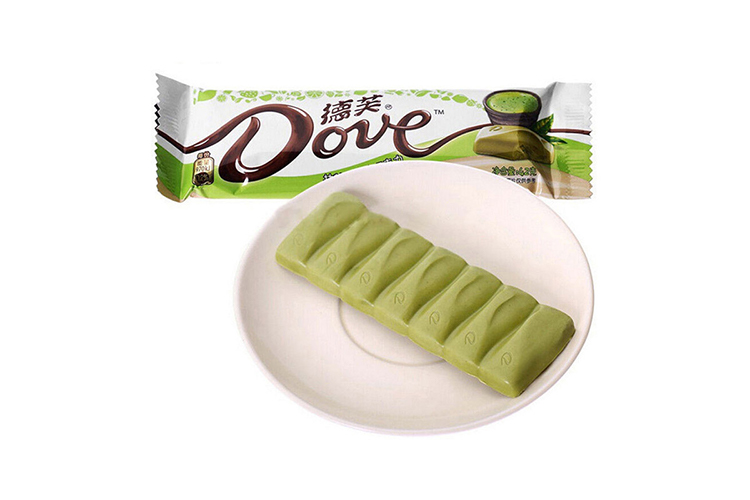
Chinese consumers are open to flavors a European buyer would find unusual: blueberry, caramelized peanut, cheese, green tea, sesame, even rice or soy milk variants. This is an opportunity, not a constraint. A flavor range built around local taste gives you room to differentiate from both the domestic mass brands and the other foreign entrants selling the same milk chocolate bar everywhere.
Storytelling and Heritage
Every brand has a story. In a market where heritage carries real weight, that story is worth building content around rather than mentioning once on the box. Where do the cocoa beans come from. Who founded the brand and why. What does the craft actually look like. A story told well travels further on Chinese social platforms than a product photo ever will.
Packaging Still Matters More Than Taste
Most imported chocolate in China is bought as a gift, or used for ceremonial occasions like wedding candy. That means packaging isn’t decoration, it’s the product, in the buyer’s mind. For luxury goods in China generally, and chocolate specifically, packaging quality often outweighs taste in the purchase decision.
Packaging is also what signals quality and status to whoever receives the gift. Young Chinese men now follow a very Western habit of giving packaged chocolate to their girlfriends, and on Valentine’s Day, chocolate regularly ranks among the top-selling online gift categories.

Trust, Certifications, and Ingredient Transparency
Food safety awareness keeps rising in China, and buyers now read ingredient lists more carefully than they did five years ago. Foreign brands get a trust bonus by default, Chinese consumers generally assume imported chocolate uses more cocoa and real milk than local alternatives. Clear certifications and transparent sourcing protect that bonus. With cocoa costs pushing some manufacturers to cut cocoa content or substitute ingredients, a brand that keeps its formula honest and says so, clearly, on pack and online, has a real argument to make.
Pricing Through a Cocoa Price Spike
Chocolate used to be a rare privilege in China, then it became common as imports grew. Some brands, Ferrero among them, kept a premium position by staying expensive on purpose. Price is part of what signals luxury, and cutting it to chase volume during a cocoa price spike usually damages the very positioning that got you into the premium segment in the first place.
If your margin is being squeezed by cocoa costs and you are not ready to commit to a full import license and local entity, cross-border e-commerce (CBEC) is worth exploring as an entry route. It lets a brand test the China market with a lighter compliance load before scaling into general trade. Our 2026 guide to China’s CBEC rules covers the thresholds that matter for a food brand specifically.
Mistakes We See Foreign Chocolate Brands Make
A few patterns come up often enough with clients that they’re worth naming directly.
The first is planning around a single gifting moment. A brand builds one Chinese New Year campaign, spends its whole marketing budget there, and goes quiet for the rest of the year. Qixi, 520, Mid-Autumn Festival, and wedding season are all missed.
The second is discounting through a cocoa price spike instead of communicating around it. Buyers understand that quality chocolate costs more right now. A brand that explains why, briefly, honestly, keeps more trust than one that quietly shrinks the bar or swaps in cheaper ingredients and hopes nobody notices.
The third is translating packaging copy into Chinese and calling that localization. Translation is not adaptation. A box designed for a European shelf rarely works for a Chinese gifting occasion, where the box itself, its size, its opening ritual, its color, often matters more than what’s printed on it.
How to Promote and Sell High-End Chocolate in China
Selling in China takes a mix of the traditional playbook and channels that didn’t exist, or didn’t matter, when most Western marketing teams were trained.
Build Around the Festival Calendar
China’s calendar gives brands more marketing anchors than most Western retail calendars. Lunar New Year and Mid-Autumn Festival are the big two, but Qixi, 520, wedding season, and graduation season all deserve their own limited packaging or product variant, not a recycled campaign from January.

Work With KOLs and KOCs, Not Just Influencers
KOLs (Key Opinion Leaders) still carry weight in China, but for a premium chocolate launch, a wave of smaller KOCs (Key Opinion Consumers) doing genuine unboxing and tasting content usually outperforms one expensive celebrity post. It reads as trustworthy in a way paid celebrity content no longer does.
Choose Your Platforms Deliberately
The social media scene in China still runs on WeChat, Weibo, Douyin, and Xiaohongshu, but they play different roles for a chocolate brand in 2026.
WeChat remains the retention layer. Moments posts work like a Facebook timeline, Official Accounts let a brand push content and manage customer relationships directly, and WeChat Pay makes checkout simple for repeat buyers, gift-set subscribers especially.

Weibo still works for announcements, seasonal campaigns, and influencer collaborations that need reach fast, especially around a specific date like Qixi or 520.

Douyin and Xiaohongshu
These two now do most of the discovery work, and they are also where trends like Dubai chocolate started and spread. Douyin pushes video content into shoppable formats, and interest-based e-commerce there has grown fast enough that some brands are shifting spend away from Tmall to chase it, a shift we cover in detail in our 2026 look at brands leaving Tmall for Douyin. Xiaohongshu is where product reviews, unboxing content, and DIY replication trends live, and it’s the platform a premium chocolate brand should treat as its main content engine, not an afterthought.

Tastings, Pop-Ups, and Physical Moments
Tasting events and pop-ups still convert. They let a buyer experience texture and quality that no photo communicates, and they generate the kind of content Xiaohongshu users share unprompted, which is worth more than a paid post.


E-Commerce: Where to Sell
China’s e-commerce environment is still split by consumer intent, and a chocolate brand needs to pick platforms to match its stage, not chase all of them at once.
Tmall
Tmall is still the flagship-store home for established brands, with access to Singles Day and Alibaba’s data tools. It is a strong long-term play, but a slower and more expensive one to launch than it was five years ago.

Taobao, JD.com, and Pinduoduo
Taobao still favors smaller sellers who can move fast on livestream and user-generated content. JD.com earns its keep on delivery reliability, its premium express service fits a fragile, gift-worthy product well. Pinduoduo‘s group-buying model works better for mass-market chocolate than for a premium gift box, worth knowing before you spread thin across all four platforms at once.

Physical Boutiques Still Sell the Story
Brick-and-mortar has not lost its pull, especially at the top of the market. A boutique or experience store lets a customer taste, touch, and feel the brand’s quality directly, something no livestream fully replaces. Louis Vuitton betting on a physical chocolate boutique in Shanghai is a signal worth reading: at the luxury end, a shop is still part of the product.

Ferrero in China: Then and Now
Ferrero, the group behind Ferrero Rocher, Kinder, and Tic Tac, is still the reference case for foreign chocolate in China, and it’s worth a short recap here even though we cover it in full detail in a dedicated 2026 update on Ferrero’s China strategy.
Hazelnut wasn’t a familiar flavor to most Chinese consumers when Ferrero entered, and its premium pricing sat awkwardly against cheaper domestic alternatives. Ferrero’s answer was localization without diluting the brand: coconut and lychee variants for local taste, gold wrapper editions tied to Lunar New Year’s association with luck and prosperity, and a Rocher line marketed explicitly as a luxury gift rather than an everyday treat.

It backed that positioning with distribution everywhere at once, department stores down to local supermarkets, plus Tmall, JD.com, and Pinduoduo listings, and consistent WeChat and Weibo activity timed to festive seasons. That combination, not any single channel, is why Ferrero Rocher is still shorthand for gift-worthy chocolate in a large share of Chinese households, even now that cocoa costs have forced it to raise prices twice in two years.


A Craft Chocolatier’s Playbook: What Actually Worked
Julien runs a small bean-to-bar chocolate house in Belgium, under fifteen employees, selling mostly through European specialty stores. He came to us in late 2025 wanting a China channel, and started, like most brands do, with a Tmall flagship store and Chinese-translated packaging.
Eight months in, the store was averaging around 40 orders a month. Cocoa costs, already up sharply from where they’d budgeted, meant gross margin had fallen to about 12%. A Chinese New Year discount campaign, meant to drive volume, moved a bit more stock but pushed the brand into the same shelf as mass-market imported chocolate. It stopped looking premium and started looking like a discount bar with a French name.
We repositioned around two things instead of one. First, product: a small-batch, single-origin gift set launched specifically for Qixi, capped in quantity on purpose, rather than another generic year-round SKU. Second, channel: instead of pushing Tmall harder, we moved the brand’s China entry to cross-border e-commerce, which let Julien test demand without committing to a full import license up front, and shifted content spend almost entirely to Xiaohongshu, working with a dozen small KOCs doing honest tasting and unboxing videos rather than one large paid influencer post.
It worked because it matched what the market actually rewards right now. Chinese premium gift buyers pay for scarcity and story, not for matching a competitor’s price. CBEC lowered the compliance barrier enough that Julien could commit real budget without a six-figure regulatory bet. And a capped, small-batch positioning fit naturally into a Xiaohongshu culture already primed, by the Dubai chocolate wave, to treat “hard to get, worth trying” chocolate as content-worthy on its own.
By the following Qixi, monthly orders had grown from around 40 to close to 260, with the gift set alone making up more than 60% of China revenue. Gross margin recovered from 12% to nearly 22%, still below the brand’s European numbers, but sustainable, and moving in the right direction as cocoa prices stabilize.
Frequently Asked Questions
Do I need a Chinese food import license to sell chocolate in China?
For general trade, yes: import licensing, food safety registration, and Chinese labeling are required before your product reaches a mainland warehouse. Cross-border e-commerce (CBEC) is the common workaround for smaller brands testing the market, since it lets Chinese consumers order from an overseas or bonded warehouse under a lighter compliance regime. It’s a good way to validate demand before committing to full import registration.
How much should I budget for cocoa price volatility when pricing for China?
Cocoa prices have moved by more than 100% within a single year twice since 2023, so a fixed retail price locked a year in advance is risky. Build a pricing model with a buffer, or plan for periodic price adjustments communicated honestly to buyers, rather than shrinking pack sizes or quietly cutting cocoa content, which Chinese consumers notice and resent.
Which platform should a new premium chocolate brand start on: Tmall, Douyin, or Xiaohongshu?
For a first launch with a limited budget, Xiaohongshu for content and discovery, paired with a CBEC storefront for actual sales, usually gets a premium brand further than an expensive Tmall flagship. Add Douyin once you have proof of demand and can invest in shoppable video content. Tmall makes more sense once you’re established and ready for the cost of running a flagship store properly.
Is the Dubai chocolate trend worth jumping on for a premium brand?
Not by copying the product. The trend has mostly been captured by fast-moving bakeries and home cooks, and it will fade like most viral food trends do. What’s worth borrowing is the underlying appetite it revealed: Chinese buyers respond strongly to chocolate with a genuine texture or ingredient surprise and a story behind it. Build that into your own product instead of chasing the pistachio filling directly.
What packaging works best for CNY versus Qixi or 520 gifting?
Chinese New Year packaging leans red and gold, tied to luck and prosperity themes, and often ships in family or bulk-gifting formats. Qixi and 520 skew smaller, more personal, and more design-forward, closer to how a Western brand would package a Valentine’s gift. Reusing one box design across both occasions is a common and avoidable mistake.
How GMA Can Help You Sell Chocolate in China
We help food and confectionery brands price through cocoa volatility without losing the premium position that got them into China in the first place. We build the Xiaohongshu, WeChat, and Douyin presence that turns a well-made chocolate bar into a status gift rather than a discount item, and we help smaller brands choose between CBEC and full import based on real numbers, not guesswork. If your China pricing needs a second look before your next festival campaign, contact us.


